Top Ten of 2012

".............A special once a year round up of 2012 coffee into a nice little list of awesomeness. ........."

A special once a year round up of 2012 coffee into a nice little list of awesomeness.

Its a long video (about 28 mins) thats why I did it as a video.

But if you don’t have time to watch I also did an audioboo

Photos from Licho

".........These almost look photoshopped, a sea of red.........."

I received some pictures from the Aguilera brothers from Costa Rica Finca de Licho over christmas to give me an update on this years harvest.

I’m planning to go visit them in a couple of weeks time, but these have me very excited what I will see

Costa Rica Finca De Licho 2013 Harvest

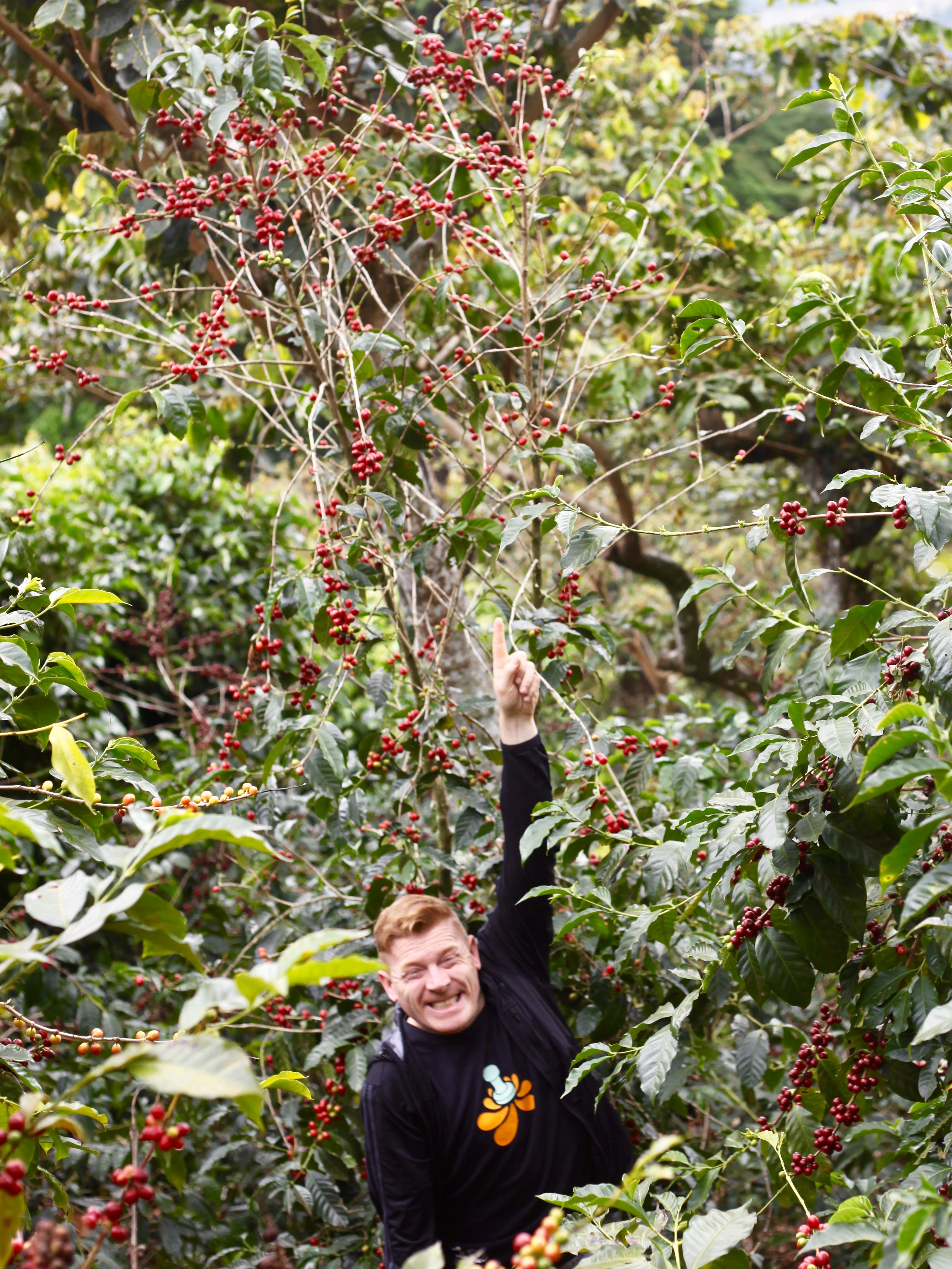
You can see why, red cherries means good picking green cherries mean not so great. I see red but little green

Costa Rica Finca De Licho 2013 Harvest

These almost look photoshopped, a sea of red

Costa Rica Finca De Licho 2013 Harvest

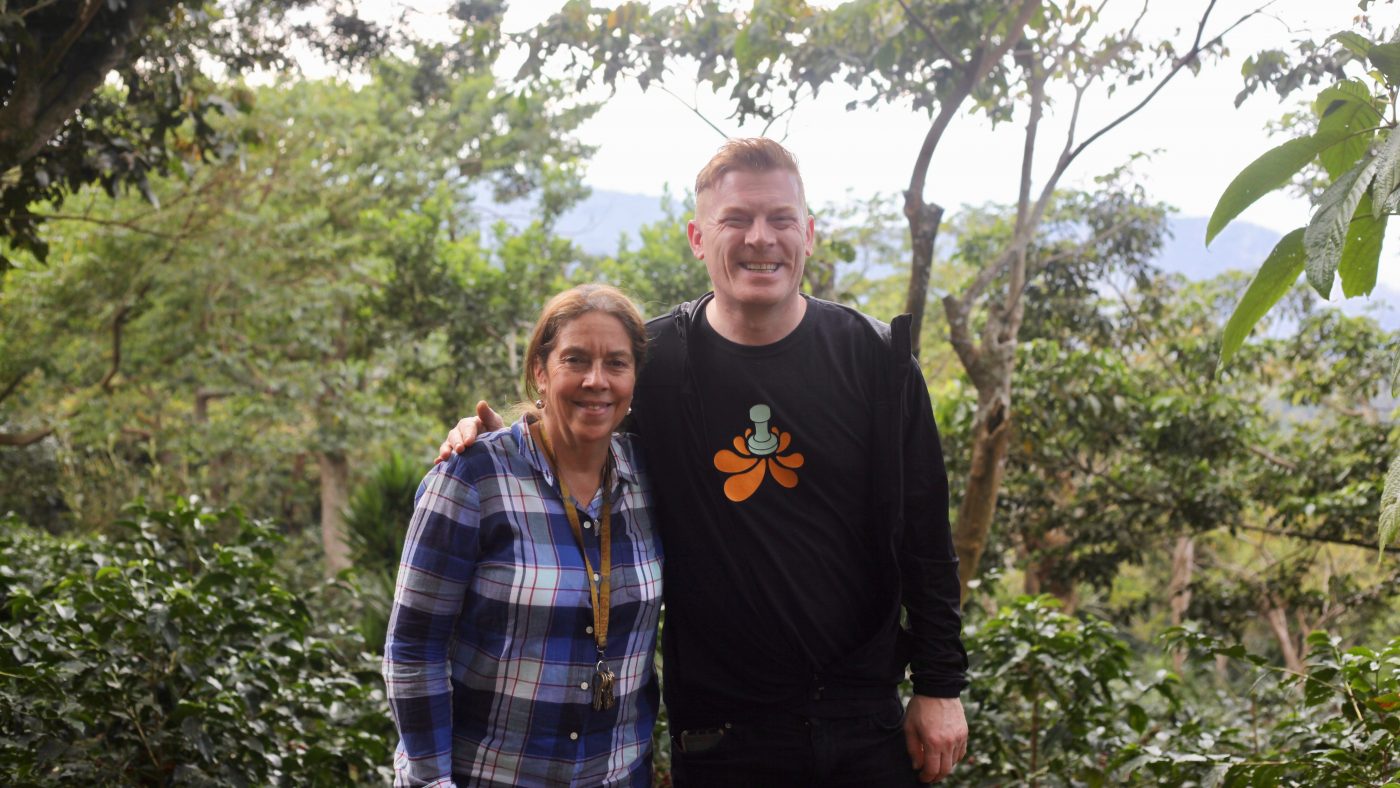
Great partners to work with, we are super lucky. The rest of the photo can be found here

How Has Bean Saved Christmas

"............ this year we heard christmas was in danger and was in need of saving ..........."

Every year we like to release a video for christmas instead of sending cards

Well this year we heard christmas was in danger and was in need of saving

MERRY CHRISTMAS from everyone as Has Bean heres to 2013

New Coffee:ETHIOPIA YIRGACHEFFE WOTE NATURAL

"........In the cup this is funky. Bruised fruit, blueberries in ice cream, with an under current of lemonade giving it effervescency, and an undercurrent of sherry. This cup is not for everyone, some will be scared by it, but I know some like me will love it, love it more than anything else they have ever drunk...."

Another amazing Ethiopian coffee we are pleased to share with you.

I love these funky big naturals from Ethiopia, but I know you don’t all, real opinion dividers. But I also love that it either makes you love it or hate it, and you certainly know its a different style of coffee to the mass produced stuff.

You can buy it here or read about it below

A warning. This is nothing like the washed wote we had earlier this year. It’s a full on naturally processed coffee that may not be your thing. Its a marmite coffee, you will love it or you will hate it, but you will have an opinion on it.

This is a natural Yirgacheffee from Wote, a small processing station in the Konga region of Yirgacheffe. Wote is owned by Mr. Mergya and employs 100 workers.

The station processes about 3 containers of coffee every year. There are about 600 farmers around Wote who bring their red cherries to the station, where they are pulped and dried.

Many thousands of bags marked ‘Yirgacheffe’ are sold every year but there may be significant differences between them in terms of cup quality. Selecting by cupping cuts the wheat from the chaff, and this one jumped off of the cupping table at us.

Yirgacheffe is more generally grown around the town of Yirgacheffe which lies as an island in the middle of Sidamo. This coffee is hand picked, naturally processed, and is grown at around 1800-2000 metres altitude (on average).

In the cup this is funky. Bruised fruit, blueberries in ice cream, with an under current of lemonade giving it effervescency, and an undercurrent of sherry. This cup is not for everyone, some will be scared by it, but I know some like me will love it, love it more than anything else they have ever drunk.

Farm: Wote Washing Station
Area: Wote
Varietal: There are about 26 different varieties in the area the only one known is Typica
Processing: Naturally processed
Altitude: 1800-2000 mtrs
Owner: Privately Owned
Region: Yirgacheffe

New Coffee:RWANDA BUF REMERA RED BOURBON WASHED

"..............In the cup expect a delicious sweetness that reminded me of hobnob biscuits, but the acidity soon kicks in with the flesh of white grapes and hints of orange and peaches..........."

First of the new Rwandan coffees we have seen this year has landed, and what a very good one to start off with.

From the Nyamagabe district, in the Southern Province of Rwanda, its a perfect example of a well prepared looked after Rwandan coffee.

You can buy it here, or read about it below


This 100% red bourbon coffee was processed at Buf Café’s Remera washing station, at 1,935 metres above sea level in the south of Rwanda.

Buf Café was founded in 2003 by Epiphanie Mukashyaka, a dynamic businesswoman and a source of inspiration to countless other female entrepreneurs in Rwanda’s coffee sector and beyond. Buf is now managed by Epiphanie and her son, Samuel Muhirwa, who is taking an increasingly active role in running and expanding the business. The title ‘Buf’ derives from ‘Bufundu’, the former name of the region in which its washing stations are located.

Epiphanie, who was born in 1959, was widowed during the 1994 genocide – which claimed over 800,000 lives in just 3 months – but chose not to leave her family’s small coffee farm. Instead she set about rebuilding and developing her business, and with it the local community. She started Buf Café in 2003, when she established Remera washing station with a loan from the Rwandan Development Bank and the assistance of the USAID-financed PEARL project.

This transformational programme was aimed at switching the focus in the Rwandan coffee sector from an historic emphasis on quantity to one of quality – and so opening up Rwanda to the far higher-earning specialty coffee market. The programme and its successor, SPREAD, have been invaluable in helping Rwanda’s small-scale coffee farmers to rebuild their production in the wake of the devastating 1994 genocide and the 1990s world coffee crash.

Buf Café now owns two coffee washing stations – Remera and Nyarusiza – as well as its own coffee trees, and buys coffee cherries from as many as 7000 surrounding smallholder farmers, including five different local cooperatives!

The majority of the small farmers in the area have an average of only 300 coffee trees (less than a quarter of a hectare) and use some of their land to cultivate other crops such as maize and beans to feed themselves and their families. Most of their income from the sale of coffee is used to take their children to school, pay for medical care and for investment in livestock such as a cow for milk, both for use in the home and for sale locally.

The ripe cherries are picked by hand and then delivered to the washing station – on foot, by bike or on trucks that pick up cherries from various collection stations in the area. Before being pulped the cherries are deposited into flotation tanks, where a net is used to skim off the floaters. The cherries are then pulped the same day – almost always in the evening – using a mechanical pulper that divides the beans into three grades by weight. They are then dry fermented overnight (left in tank with no added water) for 8 to 12 hours. Next, the wet parchment is sorted again using grading channels – water is sent through the channels and the lighter (ie. lower grade) beans are washed to the bottom, while the heavier cherries remain at the top of the channel. The wet parchment is then soaked in water for around 24 hours, before being moved to raised screens for ‘wet-sorting’ by hand – this is a task almost always carried out by women.

The sorted beans are finally moved onto African beds (raised screens) and dried in the sun until they reach 12 degrees humidity. The drying tables are covered between 11am and 2pm in order to protect the beans from the strong midday sun. The dried beans are stored in parchment in Buf’s warehouse, in carefully labeled lots, until they are ready for export. The coffee is then sent to the dry mill in Kigali, from where it is loaded and shipped.

In the cup expect a delicious sweetness that reminded me of hobnob biscuits, but the acidity soon kicks in with the flesh of white grapes and hints of orange and peaches.


Farm: Buf Café’s Remera washing station and surrounding smallholder farmers
Varietal: Red Bourbon
Processing: Fully Washed and dried on African beds
Altitude: 1,935 metres above sea level
Owner: Epiphanie Mukashyaka
Town/City: Between Butare and Cyangugu
Region: Nyamagabe district, Southern Province

New Coffee:BOLIVIA FINCA COROICO MONTAÑO

".......In the cup expect a big body, much bigger than a typical coffee from this area, with a very tactile mouthfeel thats creamy and silky with the dominant milk chocolate, with a tiny kick of oranges......."

This was a farm I visited back in 2007, completely by chance, as part of a cup of excellence jury. Our hotel was very near to here, so we arranged an impromptu visit.

I was able to cup the coffee, and liked it very very much. But a time where our hands were tied with what coffees we could buy, I had to pass. This left me sad, and I have always had the thought in the back of my mind about this place and what could have been. Fast forward to 2012 and a blind cupping table and a rush of excitement when I cup a coffee, a tasty coffee and find out its the same farm from all those years ago.

Owned by the family Montaño, this 10 hectares of land sits 1450 metres above sea level and is planted with Typica, Caturra and Catuaí. It is 15 km from the town of Coroico. Corico is around 115km from La Paz and is located on the famous “Death road” on the way to Caranarvi, where we buy so much coffee. This is the first time we have been able to buy coffee from this region.

The Motaño family comprises Don Servando, his wife Alejandra and the couple´s twelve children. Through more than fifty years the Montaño family has been dedicated to the coffee, and working this land for over thirty five years.Dn. Servando, with his nearly 80 years of age, has taught his children and grandchildren the craft of coffee cultivation, passing on his knowledge from generation to generation.

In the cup expect a big body, much bigger than a typical coffee from this area, with a very tactile mouthfeel thats creamy and silky with the dominant milk chocolate, with a tiny kick of oranges.

Founded Year: 1977
Founded by: Servando Montaño
Hectares Cultivated : 10 hectares
Shade: Natural tree
Quantity Coffee Produced: 240 qq.
Altitude: 1,450 m.s.m.
Farm Coordinate: S16° 38.915´ W 67° 13.818´
Coffee Varieties: Caturra Red/ Yellow, Typical and Catuai
Harvest Period: Mai – September ( top Jun – July)
Rainfall Period: Nov– February
Average Temperature: 7°C ≤ 15°≥ 26°C
Soil Type: Clay soil
Other Crops Grown: Fruits
Average Age Of Coffee Plants: 30 years old and new plantation