We believe in knowing the producers we work with. Our aim is for you to know the names of the people whose farms your coffee is grown on. In some cases this has been super easy – in other cases, not so easy! One of the most difficult places to get information on has been Ethiopia – but we’re seeing a change and it’s an exciting one for us to share with you!
In 2008, Ethiopia implemented a Commodity Exchange (ECX), through which agricultural products like coffee are traded (take a look at a post I did here back in the day) . There were lots of positives of this modernisation, but one of the downsides was that it became a lot more difficult to trace where the coffee we bought had come from.
There were some little opportunities to work around these issues and the Ana Sora Natural which we’ve shared with you for a few years now was exciting for us as we could get to know the producer – Israel Degfa – and begin to build a relationship. Now, reforms introduced last year have made this easier for more coffees, funnily enough reforms that Israel has been involved in at governmental level, as an advisor.
There’s quite a few different components to the reforms, but one key feature is allowing producers a window to arrange a sale before their coffee goes to the ECX. The ECX is still involved – it’s where the contract is signed – but there’s more traceability and more opportunities for buyers to connect with individual producers, as well as a streamlined process.
For speciality coffee roasters like us, this is great news! As the first harvest after the announcement has now reached us, you’ll be seeing a few new Ethiopian coffee names appearing on the website – although many of these are very small, so they may not be around long.
The first is from the family of Tadess Roba. In fact – it’s the first two of these coffees, as we have both a Washed and Natural from them! We found these two totally separately on the cupping table, but I think you can imagine my excitement when I realised one of our favourite Natural lots was from the same family as one of our favourite Washed lots!
Well, enough from me! They’re available on the website now so go ahead, enjoy and don’t forgot to let us know what you think!
Many people have a favourite time of year – perhaps it’s the beautiful oranges and reds of crunchy leaves in autumn, or seeing the first bluebells of spring, but for me 1 of the most magical times of year is right about now -> shipping container season! No I don’t head down to Felixstowe and watch big ships unloading (although I am partial to an episode of Mighty Ships if I see it’s on the TV!) I’m talking about when my containers of fresh crop coffees really start to roll in right about now : D
As you might have seen on social media recently we’ve had a bit of an influx of coffees from Nicaragua, Guatemala, El Salvador and Costa Rica + have more on the way from other parts of the world too – EXCITING! This arrival of many, many coffees means lots of work for us here in Stafford from offloading all the bags by hand (thankfully only for the 2 that arrived not on pallets!) to getting them onto the website for you to enjoy.
We’re working hard to get them to you as soon as we can and the first wave of new coffees has already gone live, with more from El Salvador and Kenya due to appear over the next few days too. Here’s a quick update on the new coffees that have gone from HGV to website so far this shipping container season…
ARBAR Finca Manantial Red Honey Lourdes de Naranjo, Western Valley, Costa Rica Melon, lime, lemongrass In the cup expect to be refreshed. It kicks off with honeydew melon and watermelon, with a squeeze of lime juice over the top. Throw into that a shoulder of pomegranate and an elbow of lemongrass before it gets to a sweet fruit finish and aftertaste. Super complex and delicious. https://www.hasbean.co.uk/products/costa-rica-arbar-finca-manantial-rh
£8.00 for 250g, £30.40 for 1kg
Vista al Valle Finca La Casa Yellow Honey Naranjo de Alajuela, Western Valley, Costa Rice Lime cordial, malt, sultana In the cup expect lime cordial, but with a malty sweetness. That malty sweetness grows as it cools and brings a dried fruit flavour to the finish that reminds me of sultanas. https://www.hasbean.co.uk/products/costa-rica-vista-al-valle-finca-la-casa-yh
£7.50 for 250g, £28.50 for 1kg
Finca Limoncillo Pulped Natural Ethiosar Matagalpa, Yasica Norte, Nicaragua Orange, mango, brown sugar In the cup expect oranges mashed up with some almost overripe mangos. Add a sprinkle of brown sugar to it all and you’re done – a gloopy, zingy fruit juice medley. https://www.hasbean.co.uk/products/nicaragua-limoncillo-pn-ethiosar
£7.50 for 250g, £28.50 for 1kg
Finca Limoncillo Funky Natural Red Pacamara Matagalpa, Yasica Norte, Nicaragua Morello cherry, yoghurt, funky! In the cup expect an up front dose of sour Morello cherries. It’s in your face all the way through to the aftertaste, but there’s also a creamy, yoghurt like body and sweetness that comes in to balance it all out. https://www.hasbean.co.uk/products/nicaragua-limoncillo-fn-red-pacamara
£8.50 for 250g, £32.30 for 1kg
Finca Limoncillo Elegant Natural Red Pacamara Matagalpa, Yasica Norte, Nicaragua Dark chocolate, cherry, liqueur In the cup, think of a Mon Cherie. There’s the dark chocolate, the hint of liqueur and then a tart Cherry that sweeps over you. https://www.hasbean.co.uk/products/nicaragua-limoncillo-en-red-pacamara
£8.50 for 250g, £32.30 for 1kg
Finca Limoncillo Pulped Natural Red Pacamara Matagalpa, Yasica Norte, Nicaragua Tropical fruit, yoghurt, cherry cola In the cup expect a tropical fruit medley with a big dollop of yoghurt. It’s sweet and gloopy, but there’s a little Cherry Cola kick on the finish that makes this complex and interesting. https://www.hasbean.co.uk/products/nicaragua-limoncillo-pn-red-pacamara
£8.00 for 250g, £30.40 for 1kg
Finca Limoncillo Natural Ethiosar Matagalpa, Yasica Norte, Nicaragua Dates, bruised plums, green apple In the cup expect bruised plums and dates, all sprinkled with some golden sugar. It’s rich and sweet, but there’s a delicate Green Apple acidity there which balances it all out. https://www.hasbean.co.uk/products/nicaragua-limoncillo-n-ethiosar
£8.00 for 250g, £30.40 for 1kg
Finca Limoncillo Washed Ethiosar Matagalpa, Yasica Norte, Nicaragua Green apple, single cream, black pepper In the cup there’s green apple backed up by a single cream type sweetness and texture. Hints of black pepper and tinned strawberries mingle in the finish. https://www.hasbean.co.uk/products/nicaragua-limoncillo-w-ethiosar
£6.50 for 250g, £24.70 for 1kg
In case you didn’t see them on Instagram and/or Facebook a) why aren’t you following me? And b) here are some pictures of when our container from Guatemala Finca San Patricio El Limón arrived : )
Ooh hello there my pretty!
Uh-oh who trusted Roland with a set of bolt cutters?!
MINE! All mine!
Gary & Glynn working hard!
Glynn our resident VIking taking a well earned break
It’s a Friday! It’s the afternoon! IMM 500 is coming out super soon! I’ve got new coffees to shout about! (I like shouting) KABINGOOOOO! (I miss Kibingo 😰)
Excited Steve 😁
A bunch of new coffees have recently gone onto the website and I reeeeally want to let you know they’re there as good golly gosh you should be drinking them!
Finca Las Alasitas Washed Caturra Colonia Bolinda, Caranavi, Bolivia Treacle, gloopy, dark chocolate cookie In the cup this reminds me of a melted dark chocolate cookie. It’s got great texture – thick and gloopy – with a mix of dark chocolate and treacle sweetness, before a shoulder of biscuit on the finish. https://www.hasbean.co.uk/products/bolivia-finca-las-alasitas-washed-caturra
£8.00 for 250g, £30.40 for 1kg
Finca Las Alasitas Natural Geisha Colonia Bolinda, Caranavi, Bolivia Tropical fruit juice, champagne, floral In the cup you have to ask yourself a question, have you ever had the 5 Alive? It’s a mixture of tropical fruit juices. Well – think that but add champagne and a bouquet of flowers, and you have this coffee. https://www.hasbean.co.uk/products/bolivia-finca-las-alasitas-natural-geisha
£15.00 for 250g, £57.00 for 1kg.
Finca Las Alasitas Washed Geisha Colonia Bolinda, Caranavi, Bolivia Bergamot, elderflower, lemon In the cup this exotic varietal brings exotic flavours – think bergamot and elderflower with a sprinkle of sweet parma violet. A super complex finish with sweet lemons and limes. https://www.hasbean.co.uk/products/bolivia-finca-las-alasitas-washed-geisha
£15.00 for 250g, £57.00 for 1kg.
Don Carlos Coco Natural Bourbon Colonia Bolinda, Caranavi, Bolivia Passionfruit, cherry, rum & raisin ice cream In the cup expect passionfruit and fresh cherry meeting rum and raisin ice cream. Big flavours in a big bodied cup. https://www.hasbean.co.uk/products/boli … al-bourbon
£9.00 for 250g, £34.20 for 1kg
Teodocio Mamani Canton Uyunense, Caranavi, Bolivia Milk chocolate, malted milk, redcurrant In the cup this is a chocolate malted milk (moo cow!) biscuit with a subtle hit of redcurrant that’s smooth, rounded and super balanced. https://www.hasbean.co.uk/products/boli … cio-mamani
£6.50 for 250g, £24.70 for 1kg
Wildcard Blend: Worth The Wait 50% Costa Rica Don Mayo Finca La Loma Yellow Honey 50% Guatemala Finca La Soledad Cold Fermentation Washed Catuai Peach squash, white sugar, brown sugar, chocolate, sweet This blend is all about the sweetness! It starts with peach squash, then veers into white sugar before the brown sugar takes over on the finish. There’s a subtle chocolate on the aftertaste that will bring you back for another glug too. https://www.hasbean.co.uk/products/wild … h-the-wait
£7.50 for 250g, £28.50 for 1kg
Whooppeeeeee new coffeeeeeees! I like new coffee days!
So much so they make me do strange things, LIKE BE NICE!
Tell ya what, try these new coffees? Maybe just 1? Or a few? OR STOCK UP ON THEM ALL?! If you do, and you order before 13:00 hrs tomorrow (that’ll be Wednesday the 25th of April) you can have 17% off them ALL with the discount code ITSNICETOBENICE. Add the coffees you like the look of to your basket and make sure to enter that code into the discount code box in the top right hand corner + click apply to knock 17% off the prices you see below.
Why 17? I just made it up. Pulled it out of my – pocket 😉 and it is nice to be nice, remember that folks. It’s also nice to see Gary’s eyes bulge when he sees his morning roast list and is confused by how much of the new coffees you’ve all ordered and he has to scoop and roast mwhaha >:)SO – please help me surprise Gary early tomorrow morning? He is from t’north and will say something like eeeeeeeey? Feel free to write him some messages in the comments box on your orders, I’ll make sure the office show him them all 😀
Bebeto Mamani Caranavi, Bolivia Papaya, pomegranate, milk chocolate In the cup this makes me think of soft, sweet fruits. It begins with a subtle, sticky papaya before you get a burst of pomegranate with a floral edge. As it finishes, it takes a left turn, leaving a milk chocolate aftertaste which lingers delightfully. https://www.hasbean.co.uk/products/bolivia-bebeto-mamani
£7.00 for 250g, £26.60 for 1kg
La Linda Washed Longberry Bolinda, Caranavi, Bolivia Fruit juice, jasmine, lemon zest In the cup expect plenty of sweetness right off the bat, maybe you meant to put some sugar in your morning cuppa but were tired and accidentally put it in your fruit juice! Following this there’s a delicate and floral turn towards jasmine with hints of lemon zest, and a long yet sweet finish. https://www.hasbean.co.uk/products/bolivia-la-linda-washed-longberry
£9.00 for 250g, £34.20 for 1kg
La Linda Washed Caturra Bolinda, Caranavi, Bolivia Horlicks, chocolate orange In the cup this reminds me of Horlicks mixed with a Terry’s Chocolate Orange – little bit of malt, plenty of chocolate and a shoulder of orange, yum! There’s also a thick and almost buttery mouthfeel that really makes this coffee super chuggable. https://www.hasbean.co.uk/products/bolivia-la-linda-washed-caturra
£7.50 for 250g, £28.50 for 1kg
Finca El Fuerte Washed Caturra Santa Cruz, Bolivia Nougat, milk chocolate, dried red apple In the cup I get really sweet squishy nougat mixed with melted milk chocolate meeting a bag of dried red apple slices. It’s a sweet, rounded and super balanced cup. https://www.hasbean.co.uk/products/bolivia-finca-el-fuerte-washed-caturra
£7.50 for 250g, £28.50 for 1kg
Kirundo Natural Bourbon Kirundo County, Burundi
Cacao nibs, bruised plums, treacle toffee In the cup this complex coffee is a mix of cacao nibs, bruised plums and treacle toffee with a big viscous body. Amazingly balanced for the complexity too. https://www.hasbean.co.uk/products/burundi-kirundo-natural-bourbon
£8.00 for 250g, £30.40 for 1kg
It’s that wonderful time again! The time where I let you know about exciting new coffees that have just gone on the website! These might be the last changes for a little bit but the wait will totally be worth it because THE BOLIVIANS ARE COMING!! And they’ll be next : D but for now, deliciousness from Burundi, Yemen and Colombia + a blend of 3 Peaberries…
Kibingo Washed Bourbon Kayanza, Burundi Lime cordial, brown sugar, jasmine In the cup expect lime cordial sweetened with brown sugar that gets a jasmine floral edge as it starts to cool. Add to this dark chocolate and blackcurrant on the finish and you have yourself a really delicious cup. https://www.hasbean.co.uk/products/burundi-kibingo-washed-bourbon
£8.00 for 250g, £30.40 for 1kg.
Haraaz Red Cherry Natural Haraaz, Yemen Black cherry, cacao, allspice In the cup this is gloopy black cherry & cacao, a classic combination! It’s got a unique spiciness that makes this very special though – sweet allspice to begin with, shifting to a subtle black pepper aftertaste and a little shoulder of oolong tea too. https://www.hasbean.co.uk/products/yemen-haraaz-red-cherry-natural
£9.00 for 250g, £34.20 for 1kg.
Finca La Chorrera Washed Caturra Huila, Colombia Milk chocolate, blackberry jam In the cup expect classic Colombian milk chocolate mixed with blackberry jam, this coffee has a wonderfully smooth body and hints of Granny Smith acidity. https://www.hasbean.co.uk/products/colombia-finca-la-chorrera-washed-caturra
£7.00 for 250g, £26.60 for 1kg.
Give Peas A Chance The newest version of our Wildcard blend where we have a bit of fun with blending Blackcurrant, liquorice, leather In the cup you get blackcurrant from Kieni, liquorice from Tana Toraja and a delicate leather hint on the end from Fiaz at the Bibi Plantation. All we’re saying is, please give peas a chance.
40% Indian Bibi Washed Peaberry
40% Kenya Kieni Washed Peaberry
20% Sulawesi Tana Toraja Kalosi Washed Peaberry https://www.hasbean.co.uk/products/give-peas-a-chance
£6.00 for 250g, £22.80 for 1kg.
As a little something special and to help get the ball rolling on these coffees I’m going to offer a sneaky Steve discount on them all until the end of tomorrow, it’s also a nice little prize for reading all the way to the bottom of this post because you should always read all the way to the bottom or who knows what you might miss out on?! If you order any (or all!) of the 4 coffees above between now and 23:59 pm on Tuesday the 20th of March and enter ‘Hasblog‘ into the discount code box it’ll knock a rather kind, generous and sneaky 15% off.
Hello you lovely people, Steve here with an update on a few new coffees that have gone onto the website over the last 2 weeks but unfortunately I haven’t found time to shout about.
It’s been a bit of a funny couple of weeks, lots of travelling for me mixed with super naff weather in the UK and then our water + electricity supplies trying to make friends : ( we’ve been doing our very best at Hasbean Towers to carry on as normal despite the challenges that have been thrown at us, but unfortunately I did slip a little letting you know about the most delicious new things to hit the website : ( BUT here we are! So let’s get on with the tasty…
Hilda Pacha Washed Caturra Zamora – Chinchipe, Ecuador Brown sugar, toffee, watermelon In the cup this super sweet coffee reminds me of brown sugar and toffee, with a green apple and watermelon aftertaste. https://www.hasbean.co.uk/products/ecuador-hilda-pacha-washed-caturra
£9.00 for 250g, £34.20 for 1kg.
Fazenda Inglaterra Pulped Natural Bourbon Minas Gerais, Brazil White sugar, Scottish tablet, walnut In the cup expect white sugar sweetness that changes to Scottish tablet as it cools, there’s a red fruit acidity and walnut on the finish (for those of you wondering what Scottish tablet is – a medium-hard, sugary fudge style tasty treat) https://www.hasbean.co.uk/products/brazil-fazenda-inglaterra-pulped-natural-bourbon
£6.00 for 250g, £33.00 for 1kg
Fazenda Inglaterra Natural Minas Gerais, Brazil Baker’s chocolate, date, pecan In the cup expect bitter baker’s chocolate, with hints of date, muscovado sugar and pecan nut. Look out for the thick and gloopy mouthfeel too. https://www.hasbean.co.uk/products/brazil-fazenda-inglaterra-natural
£7.00 for 250g, £26.60 for 1kg
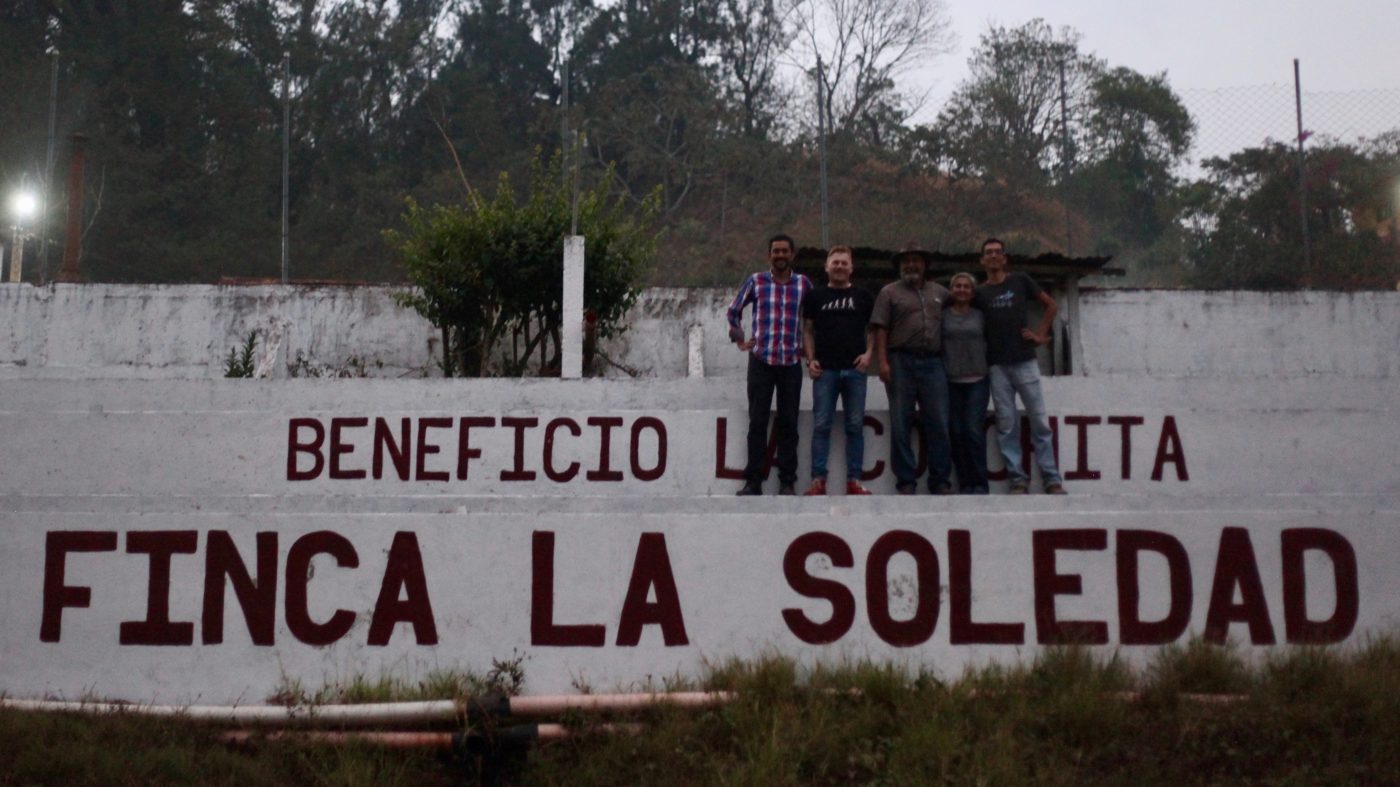
Finca La Soledad Cold Fermentation Washed Catuai Acatenango, Guatemala Single cream, peach, orange In the cup this coffee is like the other La Soledad, but brighter sharper and crisper. Expect single cream with a light syrup sweetness but a finish of peach, orange and green apple. https://www.hasbean.co.uk/products/guatemala-finca-la-soledad-cold-ferment-washed-catuai
£7.50 for 250g, £28.50 for 1kg
Finca La Soledad Washed Acatenango, Guatemala Single cream, light syrup, white grape In the cup this coffee is all about mouthfeel. Single cream with a light syrup sweetness with a white grape acidity and finish. https://www.hasbean.co.uk/products/guatemala-finca-la-soledad-washed
£6.50 for 250g, £24.70 for 1kg
Finca Alaska Natural Bourbon Apaneca-Ilamatepec, El Salvador Raspberry jelly, creamy, sponge cake In the cup this distinct coffee is a lot like a bowl of Auntie’s trifle. Raspberry jelly, creamy finish, hint of booze, a sponge sweetness and a complex fruit acidity. Party time! https://www.hasbean.co.uk/products/el-salvador-finca-alaska-natural-bourbon
£10.00 for 250g, £38.00 for 1kg
Don Carlos Washed Caturra Bolinda, Caranavi, Bolivia Mars Bar, tinned peaches In the cup a Mars a day helps you work, rest, and drink coffee! There’s a Mars Bar mix of chocolate, nougat and caramel which is finished off with soft yellow fruit – think tinned peaches. https://www.hasbean.co.uk/products/bolivia-don-carlos-washed-caturra
£7.00 for 250g, £26.60 for 1kg
Tana Toraja Kalosi Washed Peaberry Pango Pango-Perindingan, Indonesia Rambutan, cacao, elderflower In the cup this is a bit of a confusing coffee as it’s a mix of both sweet and savory. Rambutan, cacao and delicate elderflower all compete in this unique cup. https://www.hasbean.co.uk/products/sulawesi-tana-toraja-kalosi-washed-peaberry
£7.50 for 250g, £28.50 for 1kg
New Black Blend – Black Beauty! 50% Brazil Fazenda Inglaterra Natural Selection 25% Brazil Fazenda Cachoeira da Grama Pulped Natural Canario 25% Guatemala El Limon Natural Caturra Dried fruit, brown sugar, fruit cake, almond, chocolate In the cup this is a Dundee Cake! There’s the dried fruit and brown sugar of fruit cake, but also that subtle nutty almond edge. It’s got a shoulder of chocolate on the aftertaste too, but first and foremost it’s liquid cake! https://www.hasbean.co.uk/products/black-beauty
£6.00 for 250g, £22.80 for 1kg
As a special Stevey treat and to start saying sorry for the lack of updates, how about 10% off all the above coffees? But only for a short time, because I can only be so nice! Place an order between now and 23:59 hrs on Tuesday the 13th of March + enter the discount code “hasblog” into the discount code box and click apply, it’ll knock 10% off all the above delicious delights : )